

Last updated on March 4th, 2026 at 07:34 pm
Have you ever promised yourself you’d start a new habit — drinking more water, reading daily, or going on walks — only to forget about it after a week?
You’re not alone. The truth is, forming habits isn’t easy. But there’s one creative and mindful tool that can help you stay on track: a Bullet Journal Habit Tracker.
A habit tracker helps you visualize your progress, stay accountable, and make your goals feel rewarding. And the best part? You can make it as simple or as aesthetic as you like.
In this guide, we’ll explore what habit trackers are, how to make them step-by-step, and tons of creative bullet journal habit tracker ideas — from minimalist grids to fun doodle-style trackers.
We’ll also talk about how to use your habit tracker effectively after you’ve set it up, so it truly helps you stay consistent and motivated.
Let’s dive in!
What Is a Bullet Journal Habit Tracker?
A habit tracker is a layout in your bullet journal where you record how often you complete specific habits or routines.
Each time you complete a habit — say, “exercise,” “read,” or “drink 2L water” — you fill in a box, color a doodle, or shade a shape. Over time, these visual cues form a pattern that tells you exactly how consistent you’ve been.
Think of it as a mirror for your habits — it shows not only what you’ve accomplished, but also where you might need more balance.
Why You Should Use a Habit Tracker
Whether your goal is to stay healthy, improve productivity, or simply live more mindfully, a habit tracker helps you see your growth.
Here’s why it works so well:
1. Keeps You Accountable
When you know you’ll be filling in your tracker every day, you’re less likely to skip your habits. It’s like having a personal coach inside your notebook!
2. Makes Progress Visible
Even tiny steps count — and seeing them fill up your tracker is incredibly motivating.
3. Helps You Identify Patterns
Maybe you skip workouts every weekend or sleep less on Mondays. Your tracker highlights these trends clearly so you can adjust your routine.
4. Boosts Mindfulness
Habit trackers make you pause and reflect daily. It’s not just about ticking boxes — it’s about noticing how your habits affect your overall well-being.
5. Encourages Creativity
From colorful grids to flower petals and moons, your tracker can be a piece of art that grows with you!
Step-by-Step: How to Create a Habit Tracker in Your Bullet Journal
Before we jump into layout ideas, let’s build your habit tracker from scratch.
Step 1: Choose Your Format
There are two main types of habit trackers:
- Monthly Habit Tracker — tracks habits over 30 or 31 days.
- Weekly Habit Tracker — focuses on short-term habits for 7 days.
If you’re new to bullet journaling, start with a weekly tracker — it’s easier to maintain and helps you find what works for you.
Step 2: Pick Your Habits
Start small! Too many habits at once can be overwhelming. Choose 3–5 habits that genuinely matter to you.
Examples of popular habits to track:
- Drink 8 glasses of water
- Sleep before 11 PM
- Read for 30 minutes
- Exercise or stretch
- Meditate or journal
- No sugar / caffeine
- Skincare routine
- Wake up early
- Write or draw daily
- No screen after 10 PM
- Study or practice a skill
You can always add more later once these become consistent.
Step 3: Design the Layout
This is where the fun begins!
You can make your tracker as minimal or as creative as you like. Here are common layout structures:
Grid Tracker (Most Popular)
Draw a grid with days of the month across the top and habits down the side. Each day you complete a habit, color the box.
Example:
| Habit | 1 | 2 | 3 | 4 | … |
|---|---|---|---|---|---|
| Drink water | … | ||||
| Read | … |
This format is clean and easy to track multiple habits at once.
Circular Tracker
Draw a large circle divided into equal slices (like a pie chart). Each ring represents a habit, and each segment a day.
You fill in the rings daily, and by the end of the month, your tracker looks like a blooming mandala.
Perfect for: People who love symmetry and artistic layouts.
Mini-Calendar Tracker
Draw tiny monthly calendars for each habit. When you complete it, color or mark the date.
Example:
Reading → small calendar
Hydration → small calendar
This style looks organized and allows more detail per habit.
Doodle Tracker
Use doodles instead of boxes — like flowers, stars, or bottles.
Each time you complete the habit, fill in one doodle.
Examples:
- Draw leaves for each day you drink water
- Fill in stars for each night you sleep early
- Color books for each day you read
Vertical Tracker
Draw long vertical columns for each habit with 30 boxes.
This works great for minimalists or smaller journals.
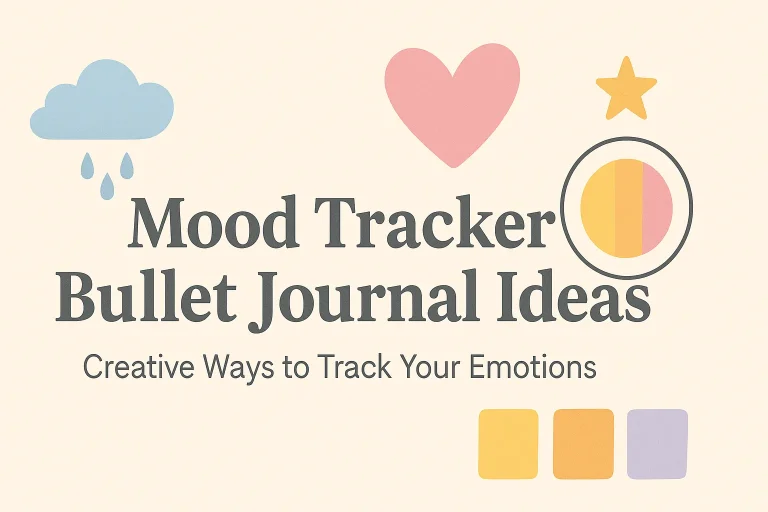
Mood + Habit Combo Tracker
If you also track mood, combine both!
Use colors to represent both your emotional state and habit consistency side by side.
Example:
= energetic day
= calm day
= low mood
You’ll soon see how habits and emotions connect.
Step 4: Add Aesthetic Touches
Your tracker doesn’t have to look plain.
Make it something you enjoy opening every day.
Cute design ideas:
- Pastel color schemes (lavender, mint, peach)
- Simple washi tape borders
- Mini doodles like stars, clouds, or leaves
- Hand-lettered titles (e.g., “Building Better Habits ”)
- Motivational quotes like “One day at a time”
Remember: The goal is to make it fun and motivating — not perfect!
Step 5: Decide Where to Place It
You can:
- Keep one main habit tracker each month
- Add mini-trackers at the bottom of weekly spreads
- Dedicate a few pages just for yearly progress
Choose what fits your journaling rhythm. Some people even make a year-in-pixels tracker — where every day of the year is represented by a color!
20+ Bullet Journal Habit Tracker Ideas to Try

Now that you know how to set one up, let’s explore some creative habit tracker ideas that you can customize to your style.
1. Minimalist Grid Tracker
A clean design with boxes or dots.
Use just black ink and one accent color for elegance.
Perfect for: Professionals or students who like simplicity.
2. Moon Phase Tracker
Draw 30 tiny moons — one for each day.
Color them in as you complete your habits.
Great for monthly themes or celestial journal setups.
3. Coffee Cup Tracker
Draw 30 small coffee mugs. Each cup represents a day — fill in foam designs or colors as you complete habits.
Fun for cozy or autumn-themed months!
4. Plant Growth Tracker
Each time you maintain a habit, draw a leaf or water a plant illustration.
Over time, you’ll “grow” your plant to full bloom.
It’s a visual metaphor for growth .
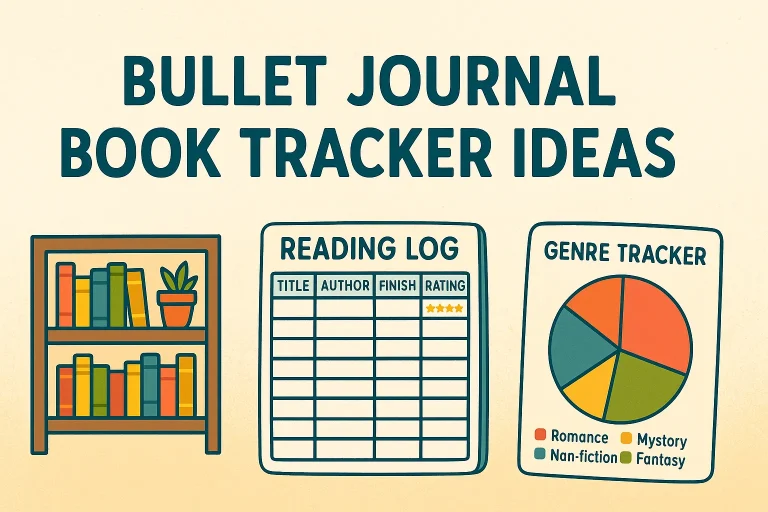
5. Book-Themed Tracker
For readers — draw 30 books on a shelf.
Each book = a day you read or journaled.
By month-end, you’ll have a cute bookshelf filled with progress!

6. Paw Print Tracker
Draw 30 paw prints (or tiny animal icons) and color them in each day.
Adorable for pet lovers or playful journal styles.
7. Flower Petal Tracker
Draw a flower with 30 petals; color one each day you complete your habit.
You can make separate flowers for each habit!
8. Starry Sky Tracker
Each star = one day you completed a habit.
By month-end, your page will shine like a night sky full of accomplishments.
9. Fruit Tracker
Use doodles of lemons, oranges, or apples.
Each fruit = one successful day.
Sweet and cheerful — perfect for summer months!
10. Mandala Tracker
Create a circular mandala divided into sections for each habit.
Fill colors as you progress — visually stunning and meditative.
11. Dessert Tracker
Draw cookies, cupcakes, or donuts — fill them when you hit your goals.
Because progress should feel sweet!
12. Home-Themed Tracker
Track routines like cleaning, laundry, or cooking with mini house icons or checklists.
13. Self-Care Tracker
Include habits like:
- Skincare
- Journaling
- Hydration
- Sleep 8 hours
- Screen break
Add gentle colors and motivational quotes like “You deserve rest.”
14. Morning Routine Tracker
List habits specific to mornings:
- Wake up early
- Drink water
- Stretch
- No phone for 30 mins
Track them weekly for consistency!
15. Night Routine Tracker
Include bedtime rituals like:
- Reading before bed
- Gratitude journaling
- Skincare
- Meditation
Keep the design dreamy — stars, clouds, and moons.
16. Creative Habit Tracker
Track habits like:
- Drawing
- Writing
- Practicing an instrument
- Posting your art
Add color palettes or art icons for motivation.
17. Wellness Tracker
Combine physical and mental habits:
- Steps taken
- Meditation
- Water intake
- “Mood of the day”
- Gratitude moment
Helps you monitor your overall well-being, not just tasks.
18. Yearly Habit Tracker
A big-picture tracker showing long-term progress for one or two core habits.
Each month gets a small space — perfect for habits like journaling daily or no coffee days.
19. Goal-Specific Tracker
Instead of many habits, focus on one main goal — e.g., “Build a writing habit.”
Track your progress over weeks or months, with milestones like:
- Brainstormed ideas
- Wrote draft
- Edited content
It keeps you consistent on a focused goal.
20. Mood & Energy Tracker Combo
Track your mood, energy, and habits together to see how one affects the other.
Example:
= energetic
= low energy
= calm
Fill in colors beside habit completion marks — simple but insightful.
How to Use Your Habit Tracker Effectively
Creating a tracker is only half the process. The real value comes from using it intentionally every day.
Here’s how to make your bullet journal habit tracker truly work for you
1. Make It Part of Your Daily Routine
Keep your bullet journal somewhere you can access easily — like your desk or bedside.
Update it once a day, either:
- In the morning (to set intentions), or
- Before bed (to reflect on your day).
This consistency helps you stay mindful and keeps your habits top of mind.
2. Start Small
If you’re tracking new habits, start with just 3 to 5 habits.
Focus on consistency, not quantity.
Once you’ve built the routine, slowly add more.
3. Use Visual Cues
Color-code your progress:
- Green = completed
- Yellow = partial
- Red = missed
Or use symbols like to make it visually clear.
Seeing color fill up the page is a small dopamine boost every time!
4. Reflect Weekly
Set aside 5 minutes at the end of the week to review your progress.
Ask:
- Which habits were easiest to maintain?
- Which ones felt forced or stressful?
- What can I adjust next week?
Reflection keeps your tracker realistic — not rigid.
5. Combine It With a Weekly Spread
If you already use a bullet journal weekly spread, include a mini habit tracker at the bottom of your layout.
This makes it easier to check in daily without flipping pages.
6. Reward Yourself
Celebrate your wins — even the small ones!
Finished a 7-day streak of reading? Treat yourself to a new book.
Completed your 30-day water goal? Enjoy a favorite meal or self-care day.
Rewards help your brain associate habits with positive outcomes.
7. Don’t Aim for Perfection
Missed a few days? Don’t stress. Your tracker isn’t about being perfect — it’s about being aware.
Instead of quitting, use gaps in your tracker as gentle reminders to restart.
8. Review Monthly Trends
At the end of each month:
- Highlight your best-performing habits
- Note what didn’t work
- Adjust your next month’s tracker
Over time, you’ll understand your natural rhythms — which days you’re productive, when you need rest, and what habits truly make a difference.
9. Keep It Enjoyable
If updating your tracker feels like a chore, simplify it.
You can:
- Use stickers for marking days
- Switch to a different layout style
- Use fewer colors
Your tracker should feel like your space, not a homework assignment.
Tips for Staying Consistent With Habit Tracking
- Set reminders — Use a phone alarm to fill it in daily.
- Track only habits that truly matter — skip trends that don’t fit your lifestyle.
- Pair it with reflection pages — journaling helps reinforce habits emotionally.
- Use symbols instead of writing — quick and clean!
- Keep your journal visible — out of sight = out of mind.
Final Thoughts: Your Habit Tracker Is Your Growth Story
A bullet journal habit tracker isn’t just about organization — it’s about transformation.
Every colored box or doodle represents a choice you made for yourself.
When you look back on your filled trackers, you’ll see more than data — you’ll see proof of discipline, effort, and growth.
So grab your notebook, pick a few habits, and start tracking.
One tiny mark at a time, you’re building a better version of yourself.
